

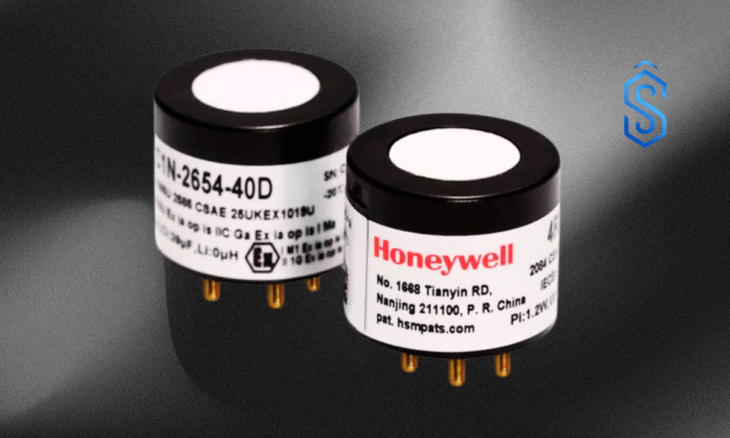
Honeywell has introduced its latest NDIR Hydrocarbon Gas Sensor, leveraging advanced infrared technology to detect flammable gases and strengthen safety measures across high-risk industrial environments.
The NDIR Hydrocarbon Gas Sensor is designed to identify gases such as methane, propane, and butane, helping safeguard workers and infrastructure in sectors including oil and gas, mining, petrochemicals, and plastics manufacturing.
The newly launched NDIR Hydrocarbon Gas Sensor utilizes optical non-dispersive infrared (NDIR) technology, enabling precise detection of hydrocarbon gases in demanding operational settings.
With industrial environments becoming increasingly complex, the NDIR Hydrocarbon Gas Sensor plays a critical role in ensuring early detection of hazardous gas exposure, thereby supporting safer working conditions.
“In gas detection, the accuracy, precision and reliability of the sensing solution is crucial for worker safety,” said Carmen Becker, president of Honeywell Sensing Solutions.
“Our new flammable gas sensor is an example of how Honeywell is using extensive domain expertise and introducing innovative technology to strengthen operational safety in industries critical to global infrastructure.”
Also Read: Experion Operations Assistant: Honeywell Introduces AI-Powered Predictive Control Room Solution
4-Series NDIR Hydrocarbon Gas Sensor: Engineered for Seamless Integration into Both Fixed and Portable Gas Detection Systems
These detectors are widely used by workers operating in challenging environments such as underground mining sites, oil refineries, and industrial processing facilities.
By incorporating the NDIR Hydrocarbon Gas Sensor, these systems can deliver more accurate alerts, enabling timely response to potential gas leaks.
Designed to withstand harsh industrial conditions, the NDIR Hydrocarbon Gas Sensor maintains performance even when exposed to dust, methane leaks, and extreme temperature variations between indoor and outdoor environments.
The sensor features an integrated condensation reduction system, allowing it to manage excess moisture and continue functioning effectively in humid or confined spaces such as refineries.
Compared to traditional pellistor or catalytic bead sensors, the NDIR Hydrocarbon Gas Sensor offers enhanced durability and reliability.
Conventional sensors are susceptible to degradation or “poisoning” in harsh environments, which can compromise detection accuracy.
Also Read: Honeywell, Verso Energy Partner to Scale eSAF Production at Seven Global Plants
In contrast, the NDIR Hydrocarbon Gas Sensor demonstrates high resistance to poisoning, minimizing the risk of failure and reducing false positives.
Additionally, the infrared-based NDIR Hydrocarbon Gas Sensor is designed for energy efficiency, consuming less power than traditional flammable gas detection technologies.
This reduced power consumption extends the operational lifespan of the sensor and enhances the battery life of portable gas detectors, making it a practical solution for field operations.
With this launch, Honeywell continues to expand its portfolio of industrial safety solutions, positioning the NDIR Hydrocarbon Gas Sensor as a critical component in modern gas detection systems across global infrastructure sectors.